Mould Removal Cost in Auckland: What to Expect in 2026
One of the first questions Auckland homeowners ask is: how much does mould removal cost? The answer depends on several factors. Here is a transparent breakdown of what influences pricing and what you should expect.
Key Factors That Affect Mould Removal Cost
1. Extent of the Mould
The size of the affected area is the single biggest cost driver. A small bathroom ceiling patch is fundamentally different from mould throughout multiple rooms or an entire subfloor. Professional assessment uses moisture mapping to determine the true extent — which is often larger than what is visible.
2. Location and Accessibility
Mould in an accessible wall cavity is easier to remediate than mould in a cramped roof space or under a house with limited crawl space. Ceiling mould may require scaffolding. Each of these adds labour time.
3. Type of Mould
Standard surface mould on non-porous materials is the most straightforward. Black mould (Stachybotrys) or mould in HVAC systems requires more extensive containment and specialised treatment protocols.
4. Underlying Moisture Source
If the moisture source is still active — a leaking pipe, roof leak, or drainage issue — this must be addressed first. Remediation without fixing the source guarantees the mould will return.
5. Material Removal vs Treatment
Porous materials with deep mould penetration (gib board, insulation, carpet underlay) typically need to be removed and replaced. Non-porous surfaces can often be treated and cleaned. Removal and replacement adds material and trade costs.
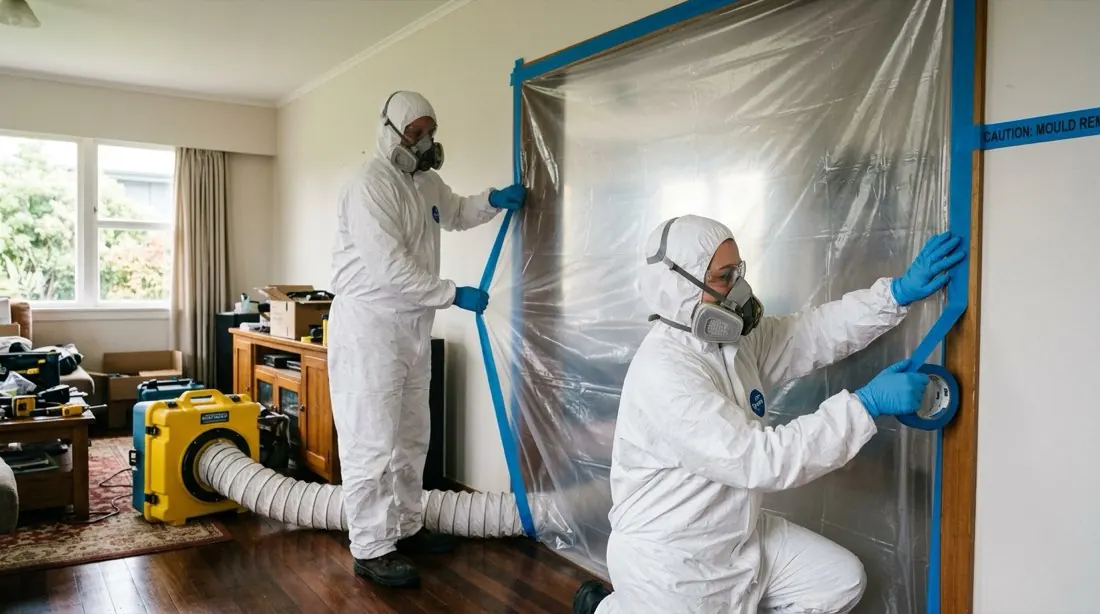
6. Containment Requirements
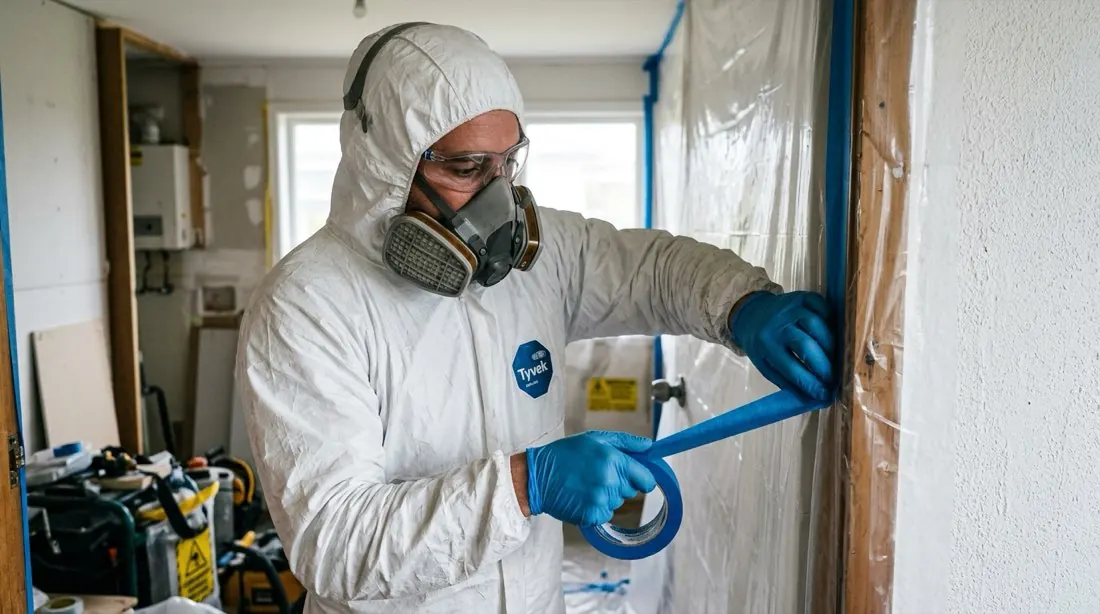
Larger jobs require full containment with physical barriers and negative air pressure to prevent cross-contamination. This adds setup time and equipment costs but is essential for safe remediation.
What Professional Mould Removal Includes
When you engage a professional mould remediation service, you are paying for:
- Thorough inspection and moisture mapping
- Containment setup to protect unaffected areas
- Safe removal of affected materials
- HEPA vacuuming and air scrubbing
- Antimicrobial treatment of remaining surfaces
- Controlled drying to prevent regrowth
- Post-remediation clearance verification
- Detailed documentation for insurance or property records
Insurance Coverage
Many home insurance policies cover mould remediation when it results from a sudden and accidental event — such as a burst pipe or storm damage. Gradual mould from poor ventilation or maintenance is typically not covered. Check your policy or speak with your insurer.
Getting an Accurate Quote
The only way to get an accurate quote is through an on-site inspection. Be wary of quotes given over the phone without seeing the property — they are guesses, not assessments.
For a professional mould inspection and transparent quote, call 0800 452 199 or visit iDry Restorations Mould Remediation.
About the Author
iDry Restorations Team — Mould Removal Auckland is a specialist service of iDry Restorations, Auckland's trusted IICRC-certified restoration company. Our content is written by experienced restoration professionals and reviewed for accuracy. We cite industry standards (IICRC S500, S520; NZS 8510) and reference current New Zealand regulations.
Methodology
This article is based on IICRC industry standards, New Zealand building code requirements, and practical experience from restoration projects across Auckland. It is reviewed periodically and updated as standards and regulations evolve.
Disclaimer
This article provides general information only and does not constitute professional advice. For assessment of your specific situation, contact a qualified restoration professional.