Mould in Rental Properties: Rights and Responsibilities Under NZ Law
Mould in rental properties is one of the most common disputes between landlords and tenants in New Zealand. Understanding the legal framework helps both parties resolve issues fairly and efficiently.
The Healthy Homes Standards
Introduced in 2019, the Healthy Homes Standards set minimum requirements for rental properties in five areas: heating, insulation, ventilation, moisture ingress and drainage, and draught stopping. The ventilation and moisture ingress standards are particularly relevant to mould prevention.
Ventilation Standard
Rental properties must have openable windows in living rooms, dining rooms, kitchens, and bedrooms. Kitchens and bathrooms must have extractor fans that vent to the outside. These requirements are designed to remove moisture at its source — cooking, showering, and everyday occupancy.
Moisture Ingress and Drainage Standard
Landlords must ensure rental properties have adequate drainage and that water does not enter the home. This includes functioning gutters, downpipes, and ground drainage. If a property has an enclosed subfloor, a ground moisture barrier must be installed where reasonably practicable.
Landlord Responsibilities
Under the Residential Tenancies Act 1986, landlords must:
- Provide and maintain the premises in a reasonable state of repair
- Comply with all building, health, and safety requirements
- Address any mould caused by structural issues, leaks, or inadequate ventilation
- Respond to tenant notifications about mould promptly
Tenant Responsibilities
Tenants also have obligations:
- Keep the premises reasonably clean and tidy
- Use ventilation provided (extractor fans, opening windows)
- Notify the landlord of any damage or maintenance issues, including mould
- Not damage or alter the premises without permission
When Mould Becomes a Dispute
Disputes often arise over the cause of mould. If mould results from a structural issue (leaking roof, rising damp, failed waterproofing), the landlord is responsible. If mould results from tenant behaviour (never opening windows, drying laundry indoors without ventilation, not using extractor fans), the tenant may bear some responsibility.
The Tenancy Tribunal considers evidence from both parties. Professional mould assessment reports that identify the moisture source can be decisive.
Practical Steps for Landlords
- Conduct regular property inspections (with appropriate notice)
- Address maintenance issues promptly when notified
- Consider installing humidity-activated extractor fans that run automatically
- Provide dehumidifiers in particularly damp properties
- Document all maintenance and communications
Practical Steps for Tenants
- Notify the landlord in writing at the first sign of mould
- Use ventilation as intended — extractor fans, windows
- Wipe condensation off windows and sills daily
- Avoid drying laundry indoors without ventilation
- Keep furniture away from external walls to allow airflow
Professional Mould Services for Rental Properties
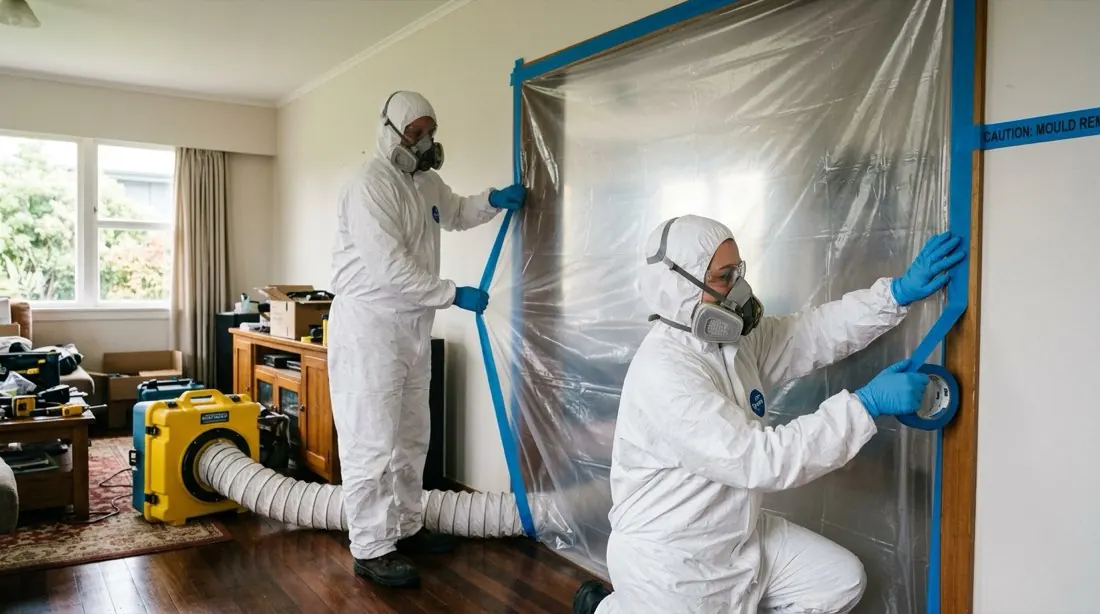
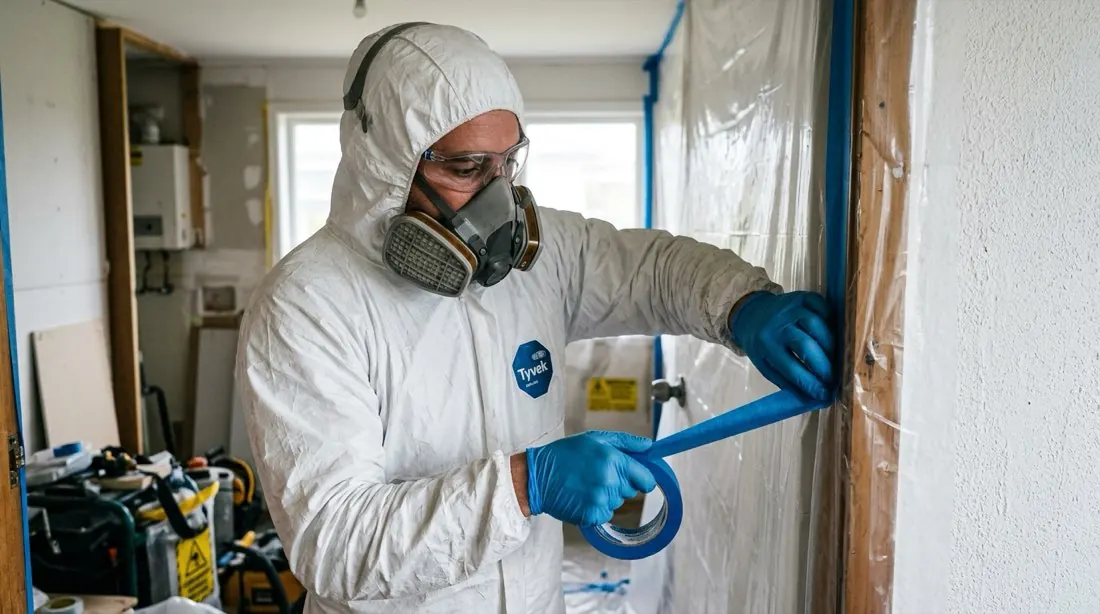
iDry Restorations provides mould inspection, reporting, and remediation for rental properties across Auckland. Our reports clearly identify the moisture source and the extent of mould — information that is valuable for both landlords and tenants in resolving disputes.
For professional mould services, call 0800 452 199 or visit iDry Restorations Mould Remediation.
About the Author
iDry Restorations Team — Mould Removal Auckland is a specialist service of iDry Restorations, Auckland's trusted IICRC-certified restoration company. Our content is written by experienced restoration professionals and reviewed for accuracy. We cite industry standards (IICRC S500, S520; NZS 8510) and reference current New Zealand regulations.
Methodology
This article is based on IICRC industry standards, New Zealand building code requirements, and practical experience from restoration projects across Auckland. It is reviewed periodically and updated as standards and regulations evolve.
Disclaimer
This article provides general information only and does not constitute professional advice. For assessment of your specific situation, contact a qualified restoration professional.