Mould and Your Health: What Auckland Homeowners Need to Know
Auckland's humid climate makes our homes particularly vulnerable to mould. Beyond the damage to your property, mould poses genuine health risks that every homeowner should understand.
How Mould Affects Health
Mould releases microscopic spores into the air. When inhaled, these spores can trigger a range of health responses depending on the individual's sensitivity, the type of mould, and the duration of exposure.
Common Health Effects
- Respiratory issues: Coughing, wheezing, throat irritation, and shortness of breath.
- Allergic reactions: Sneezing, runny nose, red eyes, and skin rashes.
- Asthma: Mould exposure can trigger asthma attacks and may contribute to the development of asthma in children.
- Immune system effects: People with compromised immune systems are at higher risk of fungal infections from mould exposure.
Who Is Most at Risk?
While anyone can be affected by mould, certain groups are more vulnerable:
- Infants and young children
- Elderly people
- People with existing respiratory conditions (asthma, COPD)
- People with compromised immune systems
- People with allergies or atopic conditions
Black Mould (Stachybotrys)
Stachybotrys chartarum — commonly called black mould or toxic mould — has received significant media attention. While the term "toxic mould" is somewhat misleading (the mould itself produces mycotoxins rather than being toxic), prolonged exposure to high concentrations of Stachybotrys spores has been associated with more severe respiratory symptoms, particularly in children.
Auckland's Climate and Mould Risk
Auckland's warm, humid climate — particularly during summer and autumn — creates ideal conditions for mould growth. Older homes with poor ventilation, unflued gas heaters, and homes in damp or shaded locations are at highest risk. The January 2023 Auckland floods demonstrated how quickly widespread water damage can lead to mould problems across entire suburbs.
When to Call a Professional
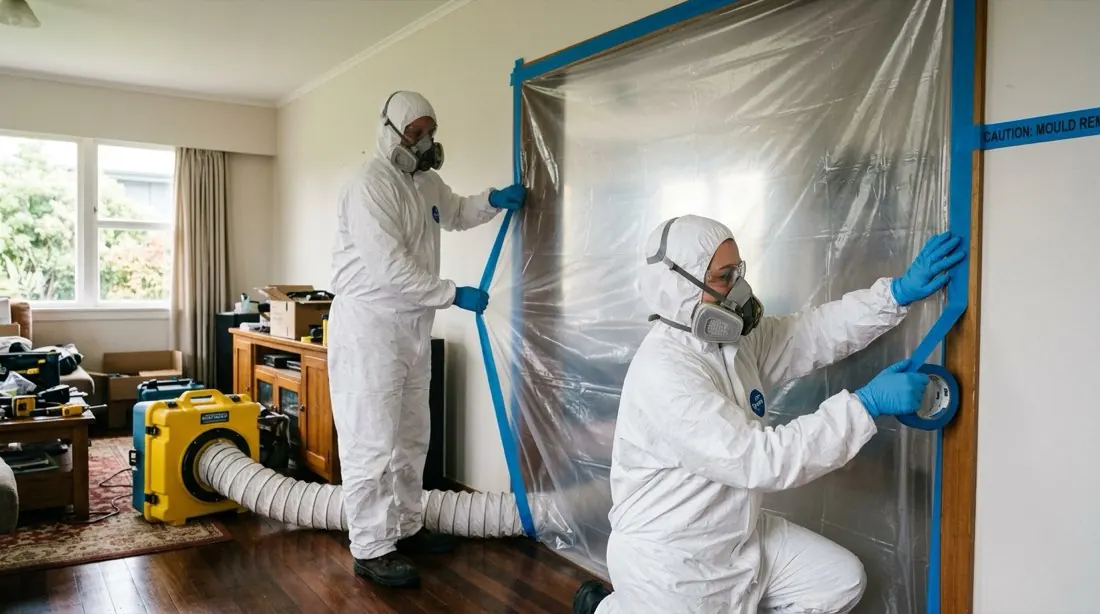
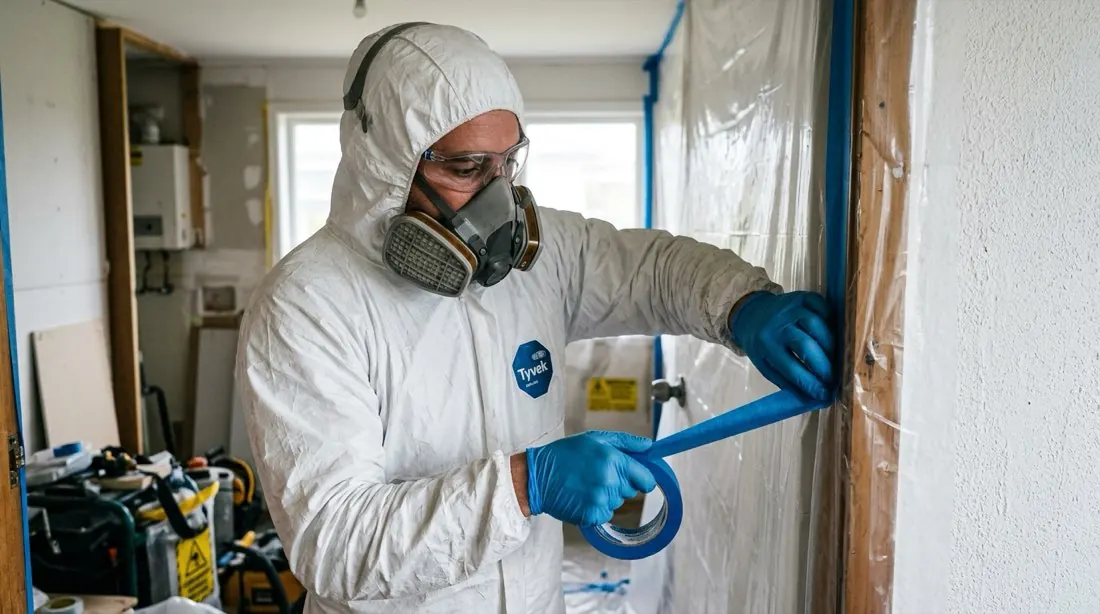
If you have visible mould covering more than one square metre, or if you have health symptoms that you suspect are mould-related, professional assessment is recommended. DIY cleaning can disturb spores and make the problem worse if not done correctly.
For professional mould inspection and remediation across Auckland, call 0800 452 199 or visit iDry Restorations Mould Remediation.
About the Author
iDry Restorations Team — Mould Removal Auckland is a specialist service of iDry Restorations, Auckland's trusted IICRC-certified restoration company. Our content is written by experienced restoration professionals and reviewed for accuracy. We cite industry standards (IICRC S500, S520; NZS 8510) and reference current New Zealand regulations.
Methodology
This article is based on IICRC industry standards, New Zealand building code requirements, and practical experience from restoration projects across Auckland. It is reviewed periodically and updated as standards and regulations evolve.
Disclaimer
This article provides general information only and does not constitute professional advice. For assessment of your specific situation, contact a qualified restoration professional.