How to Choose a Restoration Company in Auckland: 12 Questions to Ask
When your home or business has been damaged by water, fire, or mould, choosing the right restoration company is one of the most important decisions you will make. Here are the questions you should ask before signing anything.
1. Are You IICRC-Certified?
The Institute of Inspection, Cleaning and Restoration Certification (IICRC) is the global standard for the restoration industry. IICRC-certified technicians have demonstrated knowledge of industry standards including S500 (water damage) and S520 (mould remediation). Ask to see current certifications.
2. Do You Provide 24/7 Emergency Response?
Water damage and fire damage do not wait for business hours. A restoration company should have a genuine 24/7 emergency line answered by a real person — not a voicemail that might be checked in the morning.
3. What Equipment Do You Use?
Professional restoration requires industrial-grade equipment: high-volume air movers, commercial dehumidifiers (desiccant or refrigerant), moisture meters, thermal imaging cameras, and HEPA air scrubbers. Household equipment is not sufficient for restoration work.
4. How Do You Document the Process?
Proper documentation is essential for insurance claims. The company should provide moisture maps, daily drying logs, photographic evidence, and a final report. Ask to see a sample report.
5. Do You Work with Insurance Companies?
A restoration company experienced in insurance work understands what insurers need — scope of work, cause of loss, mitigation steps, and justification for replacement vs. repair. They should be able to liaise directly with your insurer and loss adjuster.
6. What Is Your Process for Mould Remediation?
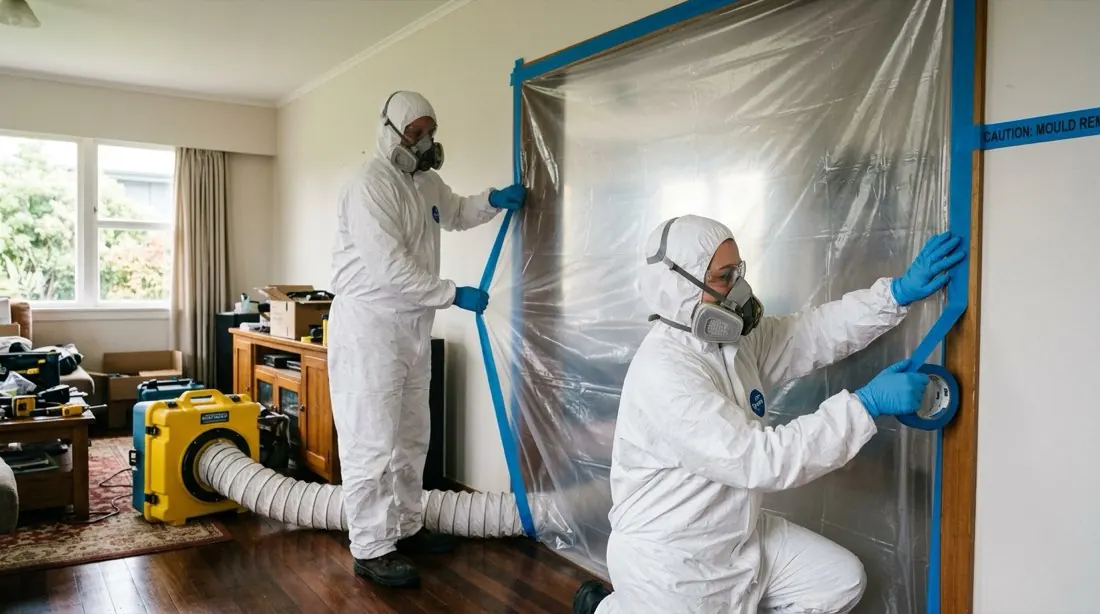
Mould remediation should follow IICRC S520: assessment, containment, removal, cleaning, drying, and clearance. If a company suggests simply spraying bleach on mould, look elsewhere.
7. Do You Provide Post-Remediation Verification?
After mould remediation, independent clearance testing should confirm the problem is resolved. The company should provide this or work with an independent assessor.
8. What Areas Do You Cover?
Auckland is a large city. Confirm the company services your specific suburb and can respond within a reasonable timeframe. Some companies charge travel fees for outer suburbs.
9. Can You Provide References?
A reputable restoration company should be able to provide references from previous clients — both residential and commercial. Google reviews and testimonials are also useful.
10. What Are Your Health and Safety Practices?
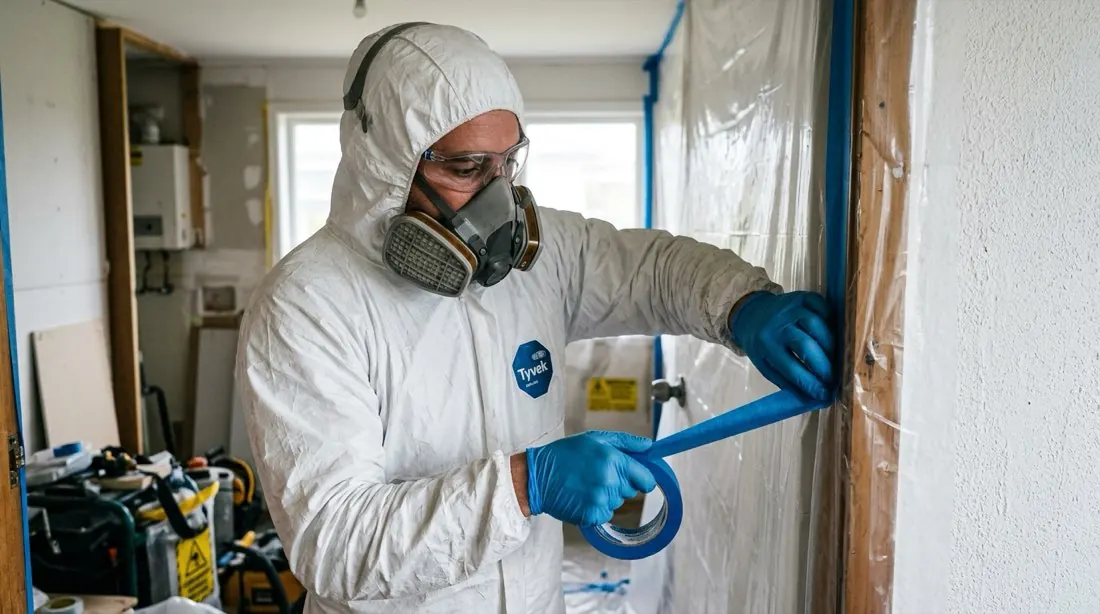
Restoration work involves hazards: contaminated water, mould spores, structural damage, electrical risks. The company should have documented health and safety procedures and provide appropriate PPE for their technicians.
11. Do You Handle the Full Scope — from Emergency to Reinstatement?
Some companies only do extraction and drying; others only do building repairs. A full-service restoration company handles the entire process — emergency response, mitigation, drying, remediation, and reinstatement — reducing the number of contractors you need to coordinate.
12. What Guarantees Do You Provide?
Ask about warranties on workmanship and what happens if mould returns or drying is incomplete. A professional company stands behind its work.
Why iDry Restorations?
iDry Restorations meets all these criteria: IICRC-certified technicians, 24/7 emergency response, industrial-grade equipment, comprehensive documentation, insurance liaison, and full-service restoration from emergency to reinstatement. We serve all Auckland suburbs.
Call 0800 452 199 or visit iDry Restorations to learn more.
About the Author
iDry Restorations Team — Mould Removal Auckland is a specialist service of iDry Restorations, Auckland's trusted IICRC-certified restoration company. Our content is written by experienced restoration professionals and reviewed for accuracy. We cite industry standards (IICRC S500, S520; NZS 8510) and reference current New Zealand regulations.
Methodology
This article is based on IICRC industry standards, New Zealand building code requirements, and practical experience from restoration projects across Auckland. It is reviewed periodically and updated as standards and regulations evolve.
Disclaimer
This article provides general information only and does not constitute professional advice. For assessment of your specific situation, contact a qualified restoration professional.